
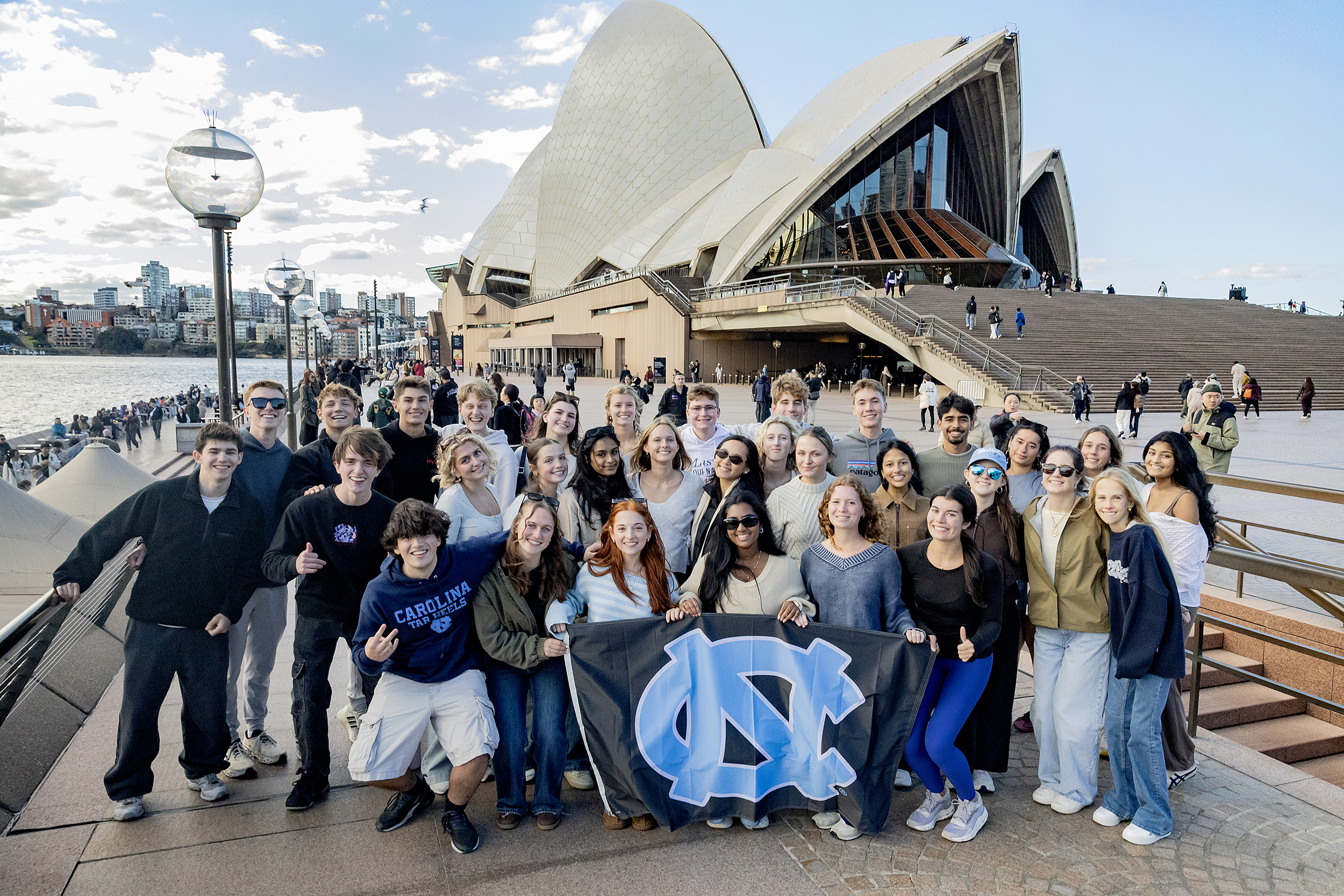
Join the Study Abroad Office and Office for Undergraduate Research to learn how you can do research via Study Abroad or through one of Carolina’s field sites.
This will be a virtual event. This is a Campus Life Experience event.
Speakers
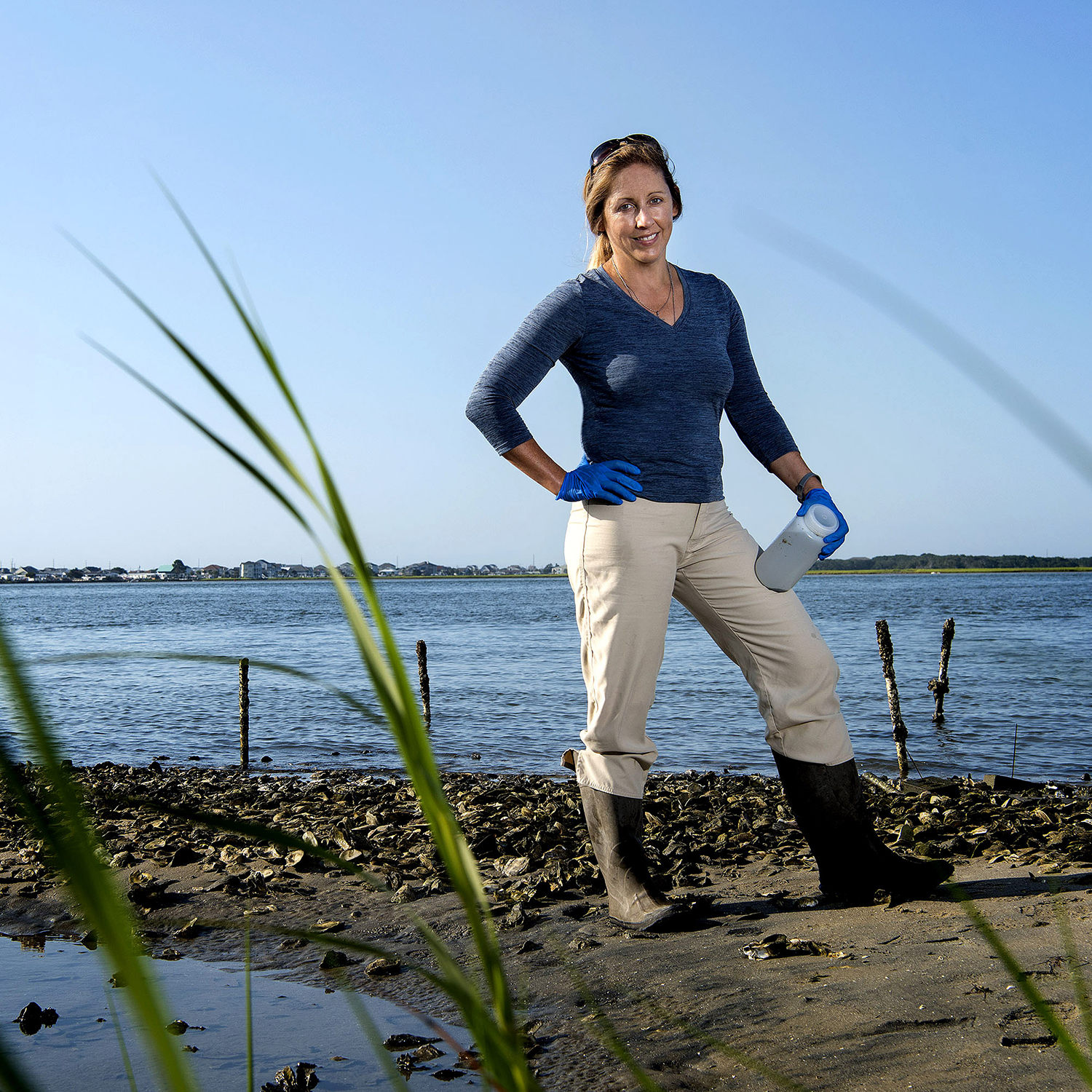
Rachel Nobel
Department of Environmental Sciences and Engineering, Institute of Marine Sciences, UNC IMS Morehead City Field Site, Institute for the Environment
Dr. Noble conducts research in both public health and ecosystem health, using molecular tools and integrated approaches combining ecology, health, and diagnostics. She is an experienced project manager working in pathogen diagnostics across multiple sectors, including wastewater surveillance, water quality, food safety, and built environment targets to improve public health and wellness. A hallmark of Dr. Noble’s research is innovative approaches to improve utility and speed to results. Works in the wastewater surveillance space includes pathogen diagnostics for emerging pathogens of concern. Dr. Noble is dedicated to community engagement, workforce development, and training in applications for molecular tools.
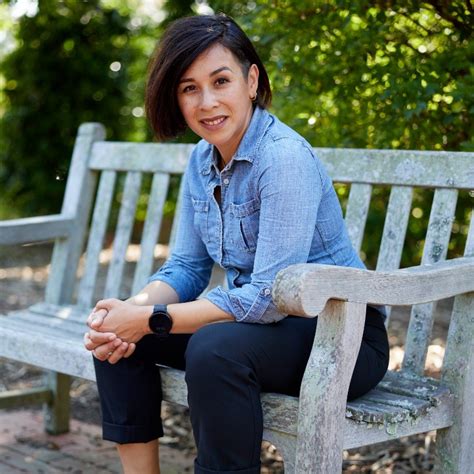
Christine J. Trinidad
Senior Director for Programs and Advising, Study Abroad
Christine J. Trinidad is a strong proponent of education abroad with over fifteen years of experience in higher education and the profession of international education. She has served in multiple capacities on the student services side of education abroad and has held multiple positions, first at UC San Diego as peer advisor, office manager, and study abroad advisor, then to provider education abroad advisor at St. Edwards University, and finally at Michigan State University as Assistant Director for Education Abroad Support services. She received her undergraduate degree from the University of California, San Diego in Political Science and Ethnic Studies and received her Master’s degree in Education with a focus on Postsecondary Leadership from San Diego State University. She spent a year at the University of London, School of Oriental and African Studies in the United Kingdom that inspired her to enter the profession of international education.
Since 2006, Christine has made it her professional goal to improve the student experience (from first point of contact to return) and has made it her personal mission to reach out to diverse and underrepresented populations.
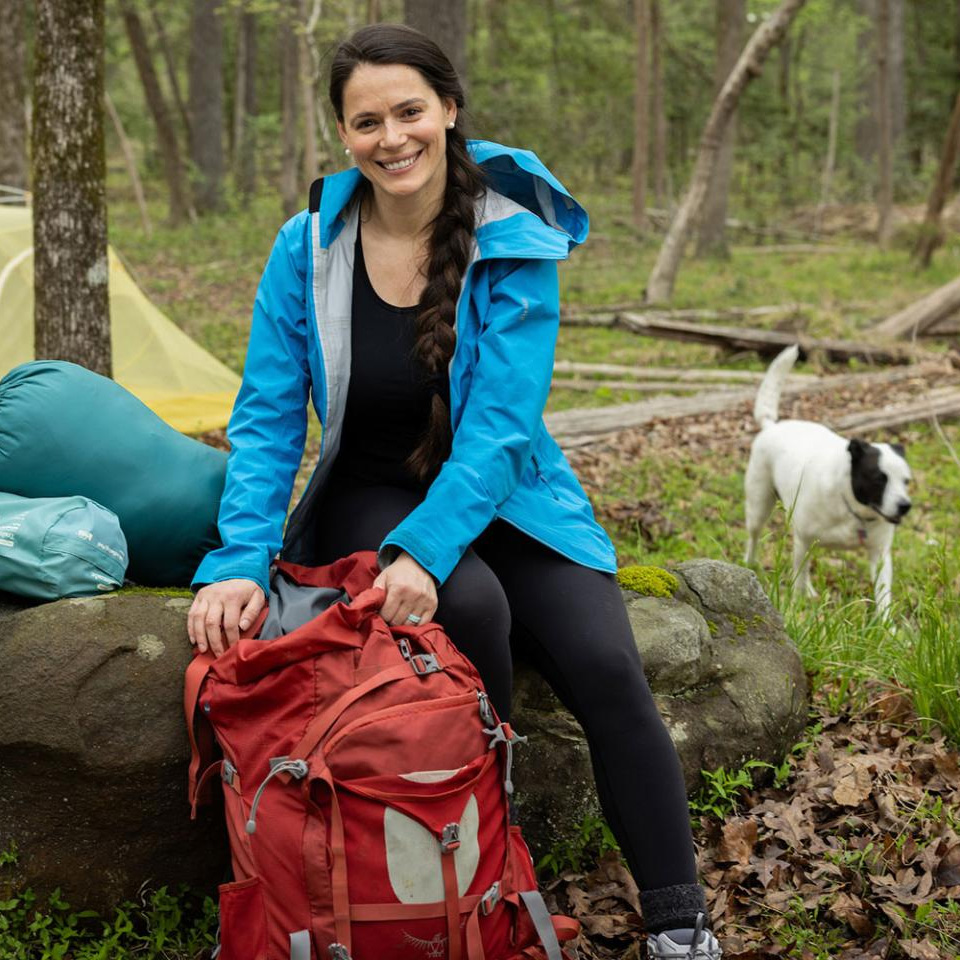
Rada Petric
Institute for the Environment, Highlands Field Site
Rada Petric is a field biologist with broad interests in animal behavior, neuroendocrinology, and conservation. Specifically, her research interests focus on how external and internal stimuli alter individual behaviors and the potential consequences of those changes. During her graduate studies, she examined how the androgen hormone testosterone influenced spatial preference and communication using free-living and monogamous California mice as the study model. She also worked on a second project examining the effects of human-made noise on the behaviors of native deer mice. As a postdoctoral researcher, Rada was assessing the effects of natural and restored wetland on biodiversity and how urbanization pressures with concomitants pollution may alter bat species presence and activity. Using non-invasive methods, such as acoustics and video imaging, she can address interdisciplinary questions related to conservation and animal behavior. Rada believes that when we gain a better understanding of animal behaviors, we enhance our ability to address pressing conservation issues, especially those related to the preservation of threatened or endangered species and their environment.
Susan Cohen
Institute for the Environment
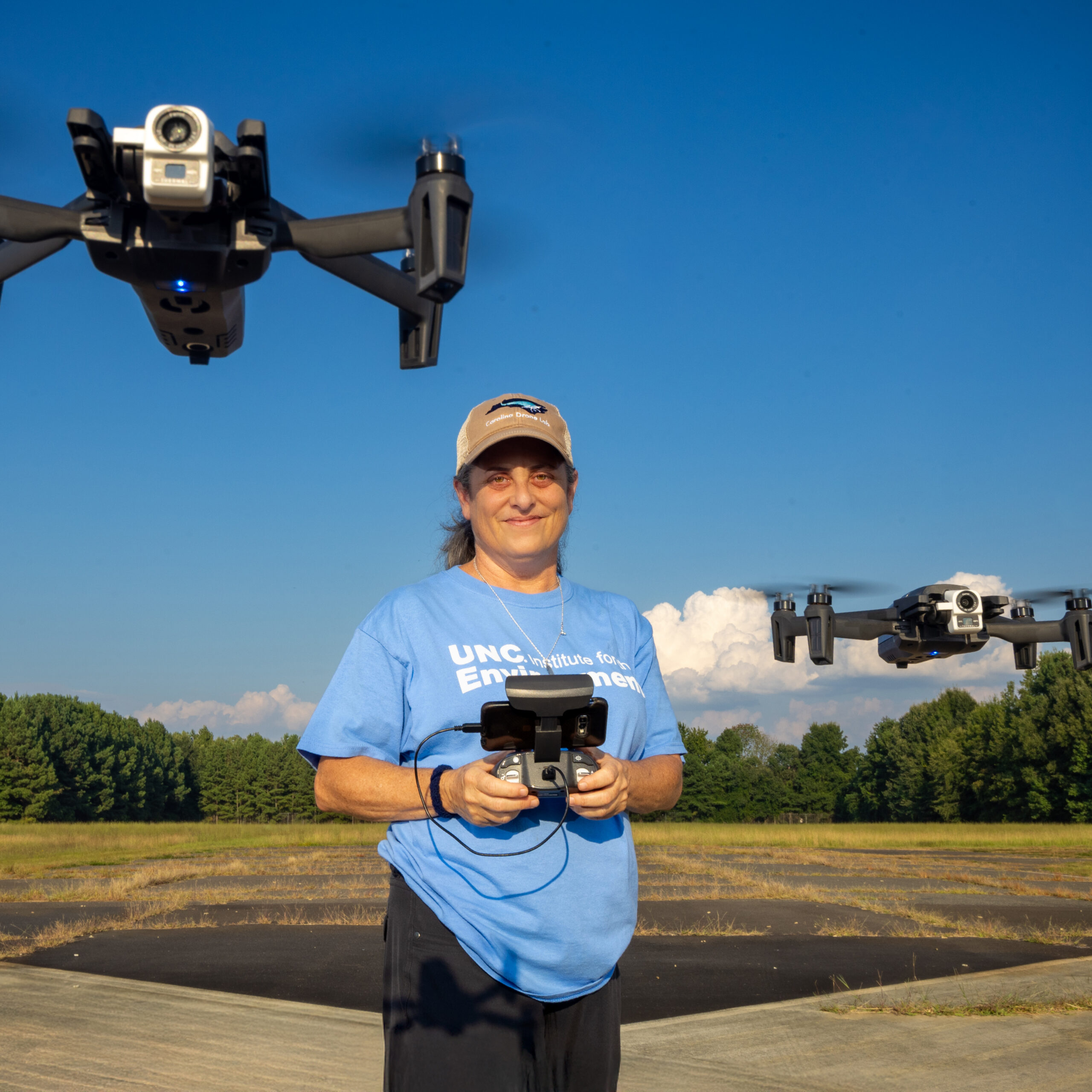
Susan Cohen has been the associate director of the Institute for the Environment at UNC Chapel Hill since 2018. Prior to coming to IE, she worked for the federal government for more than 20 years, first at the USDA Forest Service, Southern Research Station (Research Triangle Park, North Carolina) and later for the Department of Defense at Marine Corps Base Camp Lejeune in eastern North Carolina. Cohen’s expertise is in adaptive management across southeastern ecosystem types, with a focus on coastal forests and marshes. She particularly loves working in systems adapted to fire. Her work has always tried to bring solutions for environmental problems that challenge managers and natural resource professionals charged with stewardship, conservation, and restoration. She focuses on taking basic science and bringing it to end-users to bridge the critical gap between research and management. Cohen also served in the U.S. Peace Corps as a forestry extension volunteer in the Dominican Republic from 1992-1995. Her favorite tree is the amazing longleaf pine!
Cohen stood up the Carolina Drone Lab in 2019, which incorporates the use of remote sensing, in particular drones, to understand and monitor ecosystems from new perspectives. In addition to leading research initiatives (like using drones to study marshes in Currituck Sound or infested hemlock trees), the Lab helps groups establish drone programs and trains new pilots.
In addition to her research, Cohen works with campus partners on the Carolina Tree Heritage Program, taking the oldest and most important heritage trees that come down on the UNC-Chapel Hill campus and turning them into furniture. Sales of items support student internships.
Lindsay Dubbs
Institute for the Environment, Outer Banks Field Site, North Carolina Renewable Ocean Energy Program, Atlantic Marine Energy Center at the Coastal Studies Institute
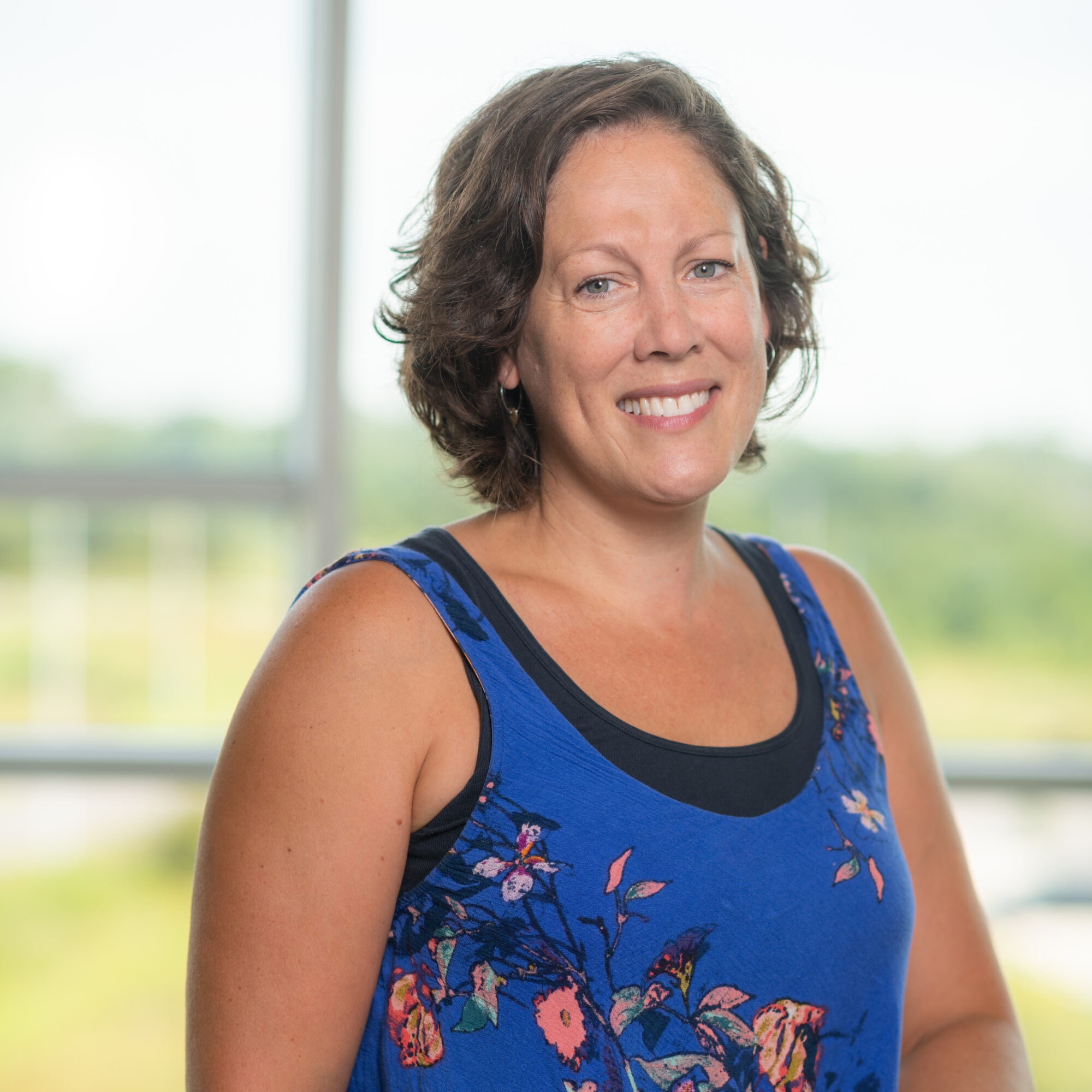
Lindsay Dubbs is a research associate professor for the Institute for the Environment at the University of North Carolina at Chapel Hill. She has a dual appointment at the Coastal Studies Institute at East Carolina University. She is a biogeochemist and ecosystem-scale ecologist whose research focuses on the influence of energy and nutrient dynamics on microalgae, macroalgae and microbes in terrestrial, coastal and nearshore marine ecosystems.
Dubbs is the director of the Outer Banks Field Site (OBXFS), a place-based semester-long program for undergraduates focused on multidisciplinary approaches to the sustainable management of coastal resources offered by the UNC Institute for the Environment and hosted by the UNC Coastal Studies Institute in Wanchese, North Carolina. At the OBXFS, Dubbs co-leads the group research project (capstone), teaches an ecology class and lab, and organizes a community immersion seminar for the program.
For the Coastal Studies Institute, Dubbs is the associate director of the NC Renewable Ocean Energy Program (NCROEP) and an associate director of the Atlantic Marine Energy Center (AMEC), a U.S. Department of Energy National Marine Energy Center. Dubbs leads environmental assessment and permitting aspects of the NCROEP, where her research focuses on Gulf Stream ecology and ecological observations characterizing environments where marine energy developments may be installed. She also organizes the annual Research Symposium for the NCROEP. For AMEC, Dubbs contributes to the stakeholder engagement project focused on making connections among marine energy stakeholders, creating exchange between them and developing relevant research to support the marine energy sector and coastal communities.