
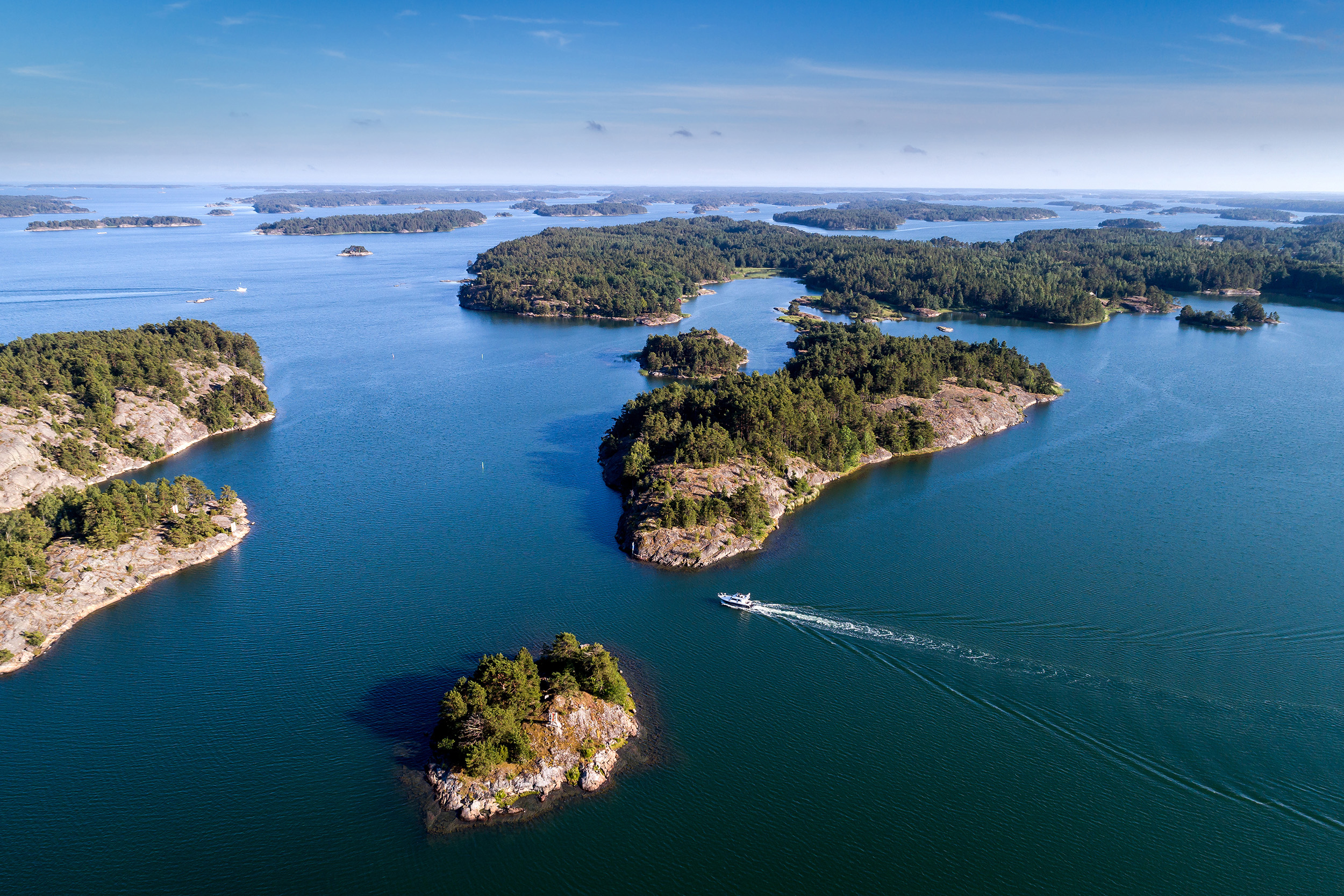
What does it mean to do research across borders? And what happens when we begin to rethink the borders between land and water, humans and environments, and science and the humanities?
This interactive Research Week event explores two ways of crossing borders. The first is geographical and institutional: drawing on her experience as a Marie Skłodowska-Curie Global Postdoctoral Fellow, Sofia Cavalcanti will share how an international research fellowship can open opportunities to work across countries, institutions, disciplines, and research communities. The session will offer a personal and practical perspective on what it means to undertake research internationally, from receiving a fellowship opportunity to developing new perspectives and connections through research abroad. The second is conceptual: we will turn from research across geographical borders to the boundaries we draw between land and water, continents and oceans, humans and the nonhuman world. Drawing on my research on archipelagic thinking, blue ecocriticism, and Anglophone women’s writing, we will explore what happens when we stop thinking of water as an empty space separating places and instead approach it as a living, material, and meaningful environment. Through visual material, discussion, a short literary reading, and a participatory creative activity, participants will be invited to think relationally about water and to reflect on their own relationships with aquatic environments. We will consider how literature can complement scientific forms of knowledge by helping us imagine, communicate, and engage with environmental issues in new ways, including questions that are central to the UN Decade of Ocean Science for Sustainable Development.
No previous knowledge of literary studies, environmental humanities, or international research is required. The event is designed for a broad audience and invites participants to cross borders with me: first across the boundaries of international research, and then across the conceptual divisions that shape how we understand water, connection, and our relationship with the environment, ultimately inviting us to think with and like an archipelago.
This is an in-person event.